
Mason County Court Records After a Jail Arrest
An arrest in Mason County does not by itself create a court case. After a person is booked at the jail, the Mason County State's Attorney reviews the allegations and decides which charges to file. Those filed charges open the case and become the court record. The State's Attorney, Zach Bryant, is the office that makes that call, and the charges in court can be different from the charges police listed at arrest.
It helps to keep two records straight. The booking and arrest side lives with the sheriff, and you can read about it on the jail inmate records page, with booking photos covered on the jail mugshots page. The court record is separate, and it tracks the charges the prosecutor filed and how they move through the case. The county's official site ties these offices together in one place.
The county homepage is the hub for the courthouse and its departments. The Mason County official website links the circuit clerk, the courthouse, and the offices behind a case.
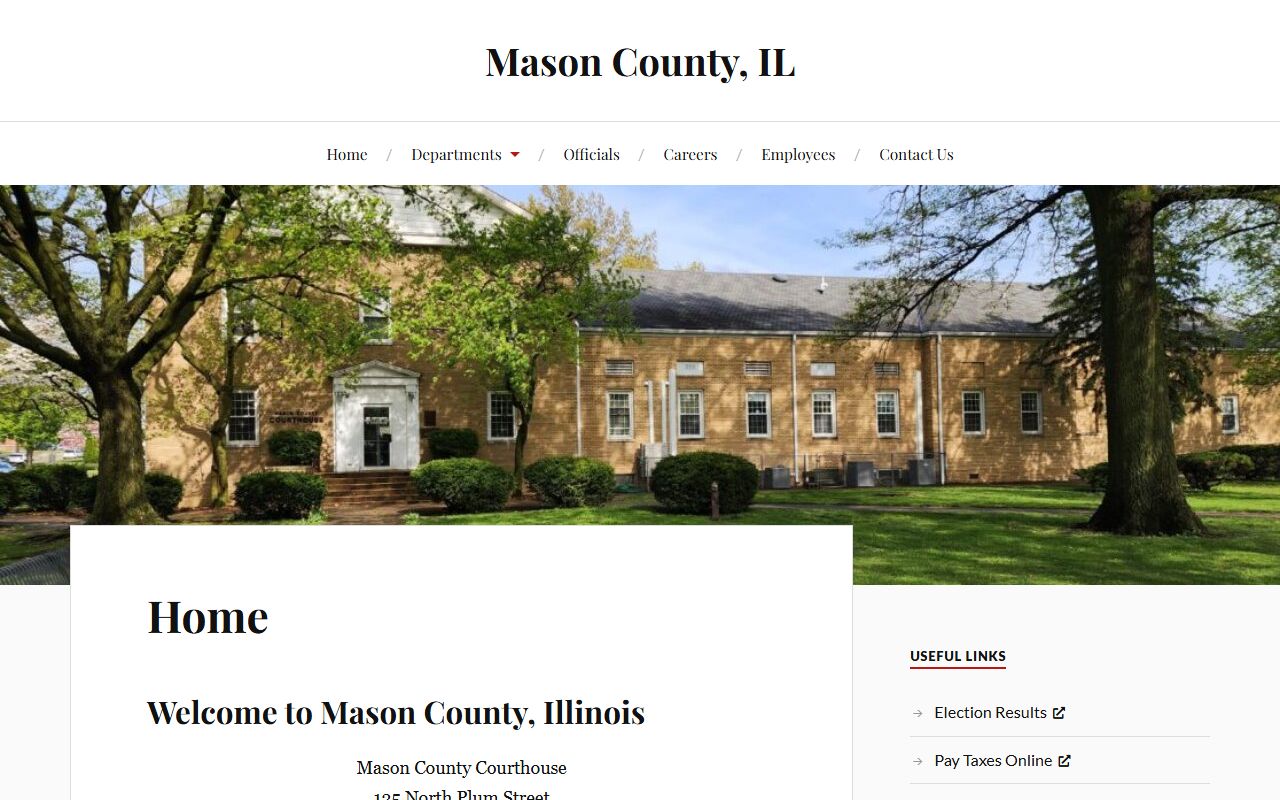
From that homepage, the circuit clerk's pages are where the court-record links lead, which is the path the rest of this page follows.
How to Find Mason County Court Records After an Arrest
Mason County court records are searched online through Judici, the case system the circuit clerk links from its official page. The clerk, Debbie Friend, keeps the case index at the courthouse, and the online route points to Judici for name and case-number searches. The research environment hit a CAPTCHA before the search fields loaded, so a browser check may stand between you and the form.
- Open the Mason County Judici case search at judici.com for court IL063015J.
- Search by the defendant's name or, if you have it, the case number.
- Open the case and read the list of charges the prosecutor filed.
- Check each charge's code, level, and current status as the case moves.
The circuit clerk page is the official starting point for those records. The Mason County Circuit Clerk page links the court-record search and lists the courthouse contact.
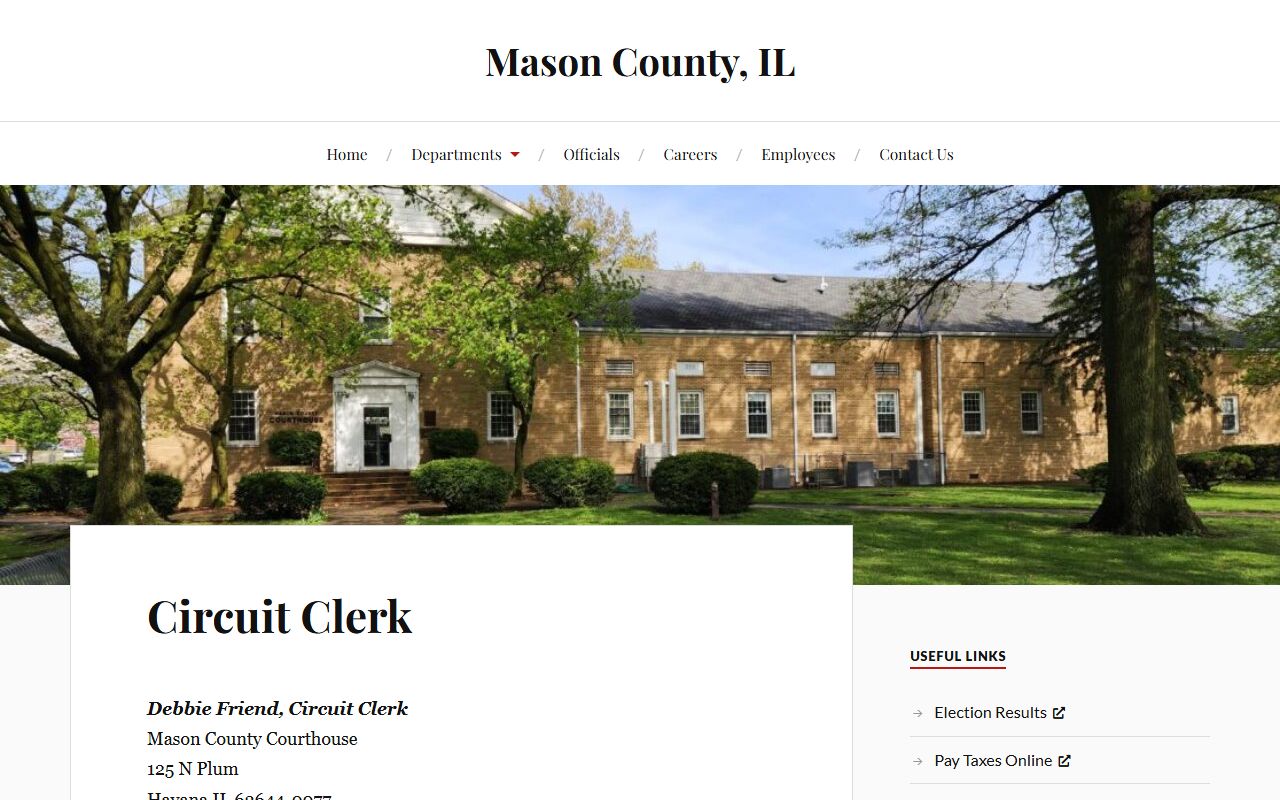
Because the clerk's own page points to Judici, that is the official online route for a Mason County case. If the search will not load, the clerk's counter is the fallback.
The state court directory confirms the same path and the courthouse details. The Illinois Courts directory for Mason County lists hours, free parking, and the online case-search link.
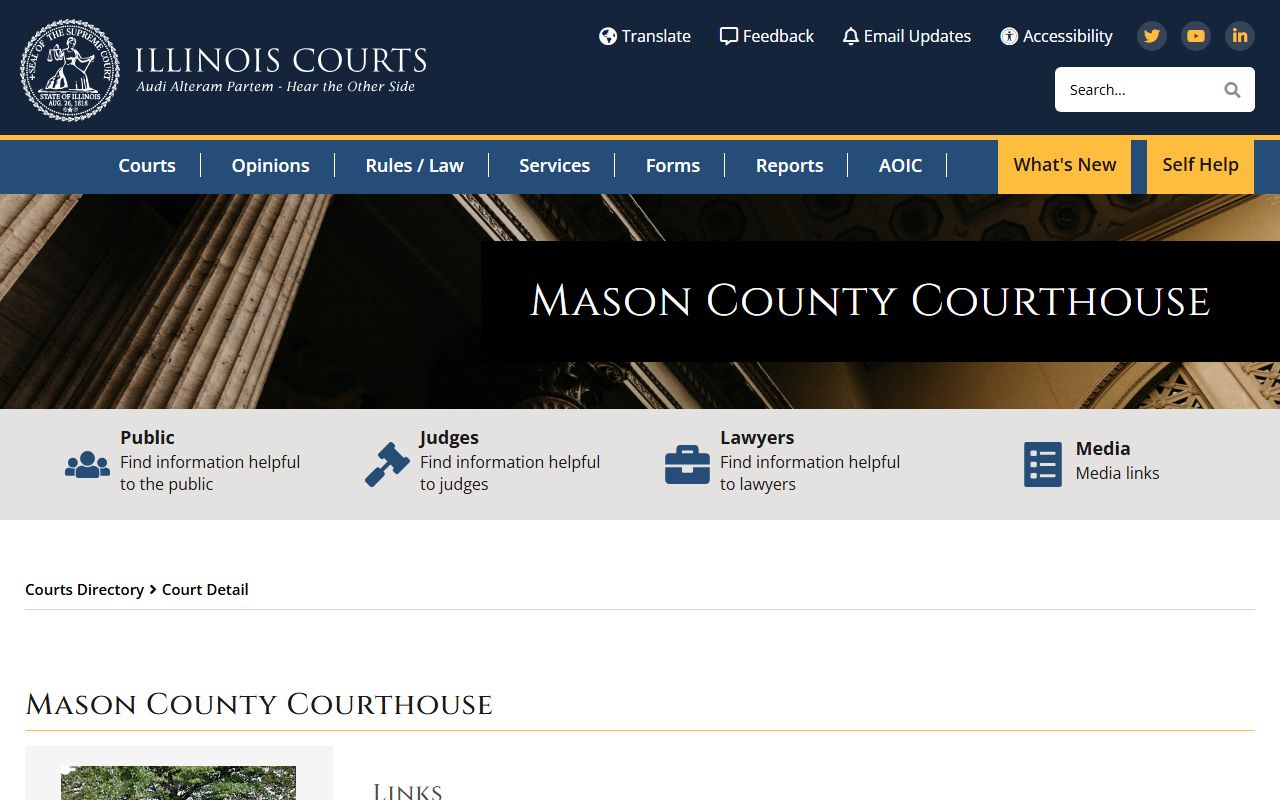
The directory confirms the courthouse at 125 North Plum Street in Havana, open weekdays from 8:00 a.m. to 4:00 p.m., which is where in-person and certified-copy requests go.
Searching Mason County Cases on Judici
Judici is operated by judici.com, not by the court, and the clerk's link to it is not an endorsement of its policies. Even so, it is the working online index for Mason County cases. Its own materials say a user can search by name or case number and view charges, dispositions and sentences, fines and balances, hearing dates, case minutes, and documents. The CAPTCHA seen during research is a humanity check, not a paywall.
The case search opens at a Mason County address inside Judici. The Mason County Judici case search is the page the clerk points to for online records.
If the page shows a verification screen, complete it in a browser to reach the fields. For older records, certified copies, or anything the search will not show, call the clerk at 309-543-6619, option 2.
How Charges Get Filed After an Arrest: Complaint, Information, and Indictment
The court record starts with a charging document. The arrest and booking happen first at the jail, and then the prosecutor opens the case by filing one of three document types. The choice depends on the offense and how serious it is. Each one starts a court case that you can then track.
| Complaint | Information | Indictment | |
|---|---|---|---|
| Filed By | Officer or Prosecutor | Prosecutor | Grand Jury |
| Common For | Misdemeanors | Many felonies | Serious felonies |
| Starts | The case | The case | The case |
Whichever document opens the case, the result is the same court record you search on Judici. The booking charge a person was arrested on may not survive review, which is why the filed charge is the one that matters.
Charge Status and What It Means
Charges shift as a case moves. A prosecutor can amend, reduce, add, or drop a charge, and the court can dismiss one. That is why the charges on a booking record and the charges in the court file are not always the same. The terms below show up on a case index and tell you where each charge stands.
| Status | What It Means |
|---|---|
| Pending | Filed but not yet resolved |
| Amended / Reduced | Changed by the prosecutor or court to a different or lower charge |
| Dismissed | Dropped by the court and not pursued |
| Nolle Prosequi | The prosecutor chose not to pursue the charge |
Note: a disposition is the court's outcome for a charge, and a conviction is only one kind of disposition, so a filed charge does not mean a person was found guilty.
Pretrial Release After an Arrest
Illinois changed how release works after an arrest. The state ended cash bail as the standard mechanism under the Pretrial Fairness Act, which the Illinois Supreme Court upheld and which took effect in September 2023. So there is no fixed bond schedule to pay at the Mason County Jail. Instead, the court decides release or detention under statute, and the prosecutor may ask for detention in eligible cases.
| Release Type | How It Works |
|---|---|
| Release on conditions | The court releases the person with rules like appearance or no-contact orders |
| Pretrial detention | The court orders the person held after a prosecutor request and hearing |
| Hold or detainer | Another agency asks that the person be kept even if the local case changes |
| Cash bond | No longer the normal release route in Illinois |
For current release conditions or a court date, call the circuit clerk at 309-543-6619, option 2, and treat the court order as the controlling authority. A detainer from another county, the state, or a federal agency can keep someone in custody even after a local matter is resolved.
Warrants That Lead to an Arrest
Many bookings begin with a warrant. An arrest warrant or a bench warrant, often issued after a missed court date, can send a person to the jail, and the case then shows in the court record. No official Mason County online warrant list or most-wanted page was found, and Illinois court policy keeps arrest warrants off public electronic access at least before the arrest. That is one reason a warrant may exist without appearing online.
To check on a possible warrant, the practical route is the circuit clerk at 309-543-6619 or the sheriff at 309-543-2231. The court basis for those records is explained in the state's open-records law, which also sets the limits on what is released.
The arrest-report provision spells out what basic arrest data must be furnished and when. The Illinois arrest-report law, 5 ILCS 140/2.15 requires certain arrest information within 72 hours, subject to exemptions.
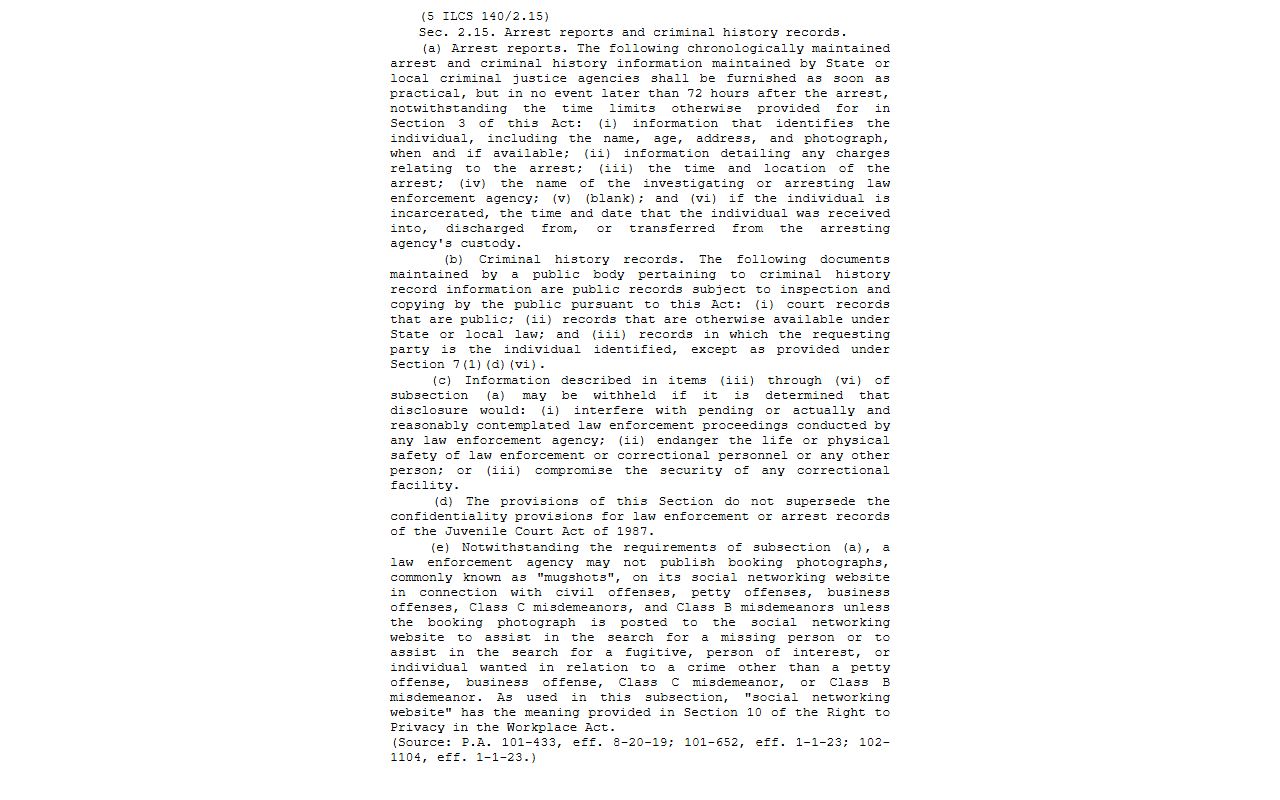
That statute is the reason a sheriff must release core arrest facts on request, even though active investigations and certain records stay exempt.
Charges vs. Convictions
Being arrested and charged is not the same as being convicted. A charge is an accusation that opens a case, while a conviction is the final finding of guilt by plea or verdict. Both are public, but they sit at very different points in a case.
| Charge | Conviction | |
|---|---|---|
| Stage | Accusation | Verdict or plea |
| Burden of Proof | Probable cause | Beyond a reasonable doubt |
| Public Record | Yes | Yes |
Reading a case index with that difference in mind prevents a common mistake, which is treating a pending or dismissed charge as proof of guilt.
Sealed vs. Expunged Arrest Records
Illinois lets people clear qualifying arrest and court records through sealing or expungement, governed by the state expungement statute. Sealing hides a record from most public view, while expungement treats it as though it never existed. Eligibility depends on the offense and the outcome, and a dismissal or certain dispositions can open the door.
| Sealed | Expunged | |
|---|---|---|
| Visibility | Hidden from public view | Destroyed or treated as never existing |
| Law Enforcement | Limited access remains | Very limited access |
| Eligibility | Depends on offense and outcome under 20 ILCS 2630/5.2 | Often after dismissal or eligible disposition |
The process runs through the court and the state police under 20 ILCS 2630/5.2, not through any website. A booking photo tied to a cleared record is handled the same way, through the records-clearing route rather than a takedown service.
Getting Copies of Court Records
For a certified copy or an older case the online search will not show, the circuit clerk is the source. The clerk handles court documents, certified copies, and case history at the courthouse counter. For arrest and booking records, though, the request goes to the sheriff under FOIA rather than to the clerk, since those are law-enforcement records.
The open-records framework that governs both routes is the Illinois Freedom of Information Act. The Illinois FOIA statute, 5 ILCS 140 presumes records are public and sets the request and response rules.
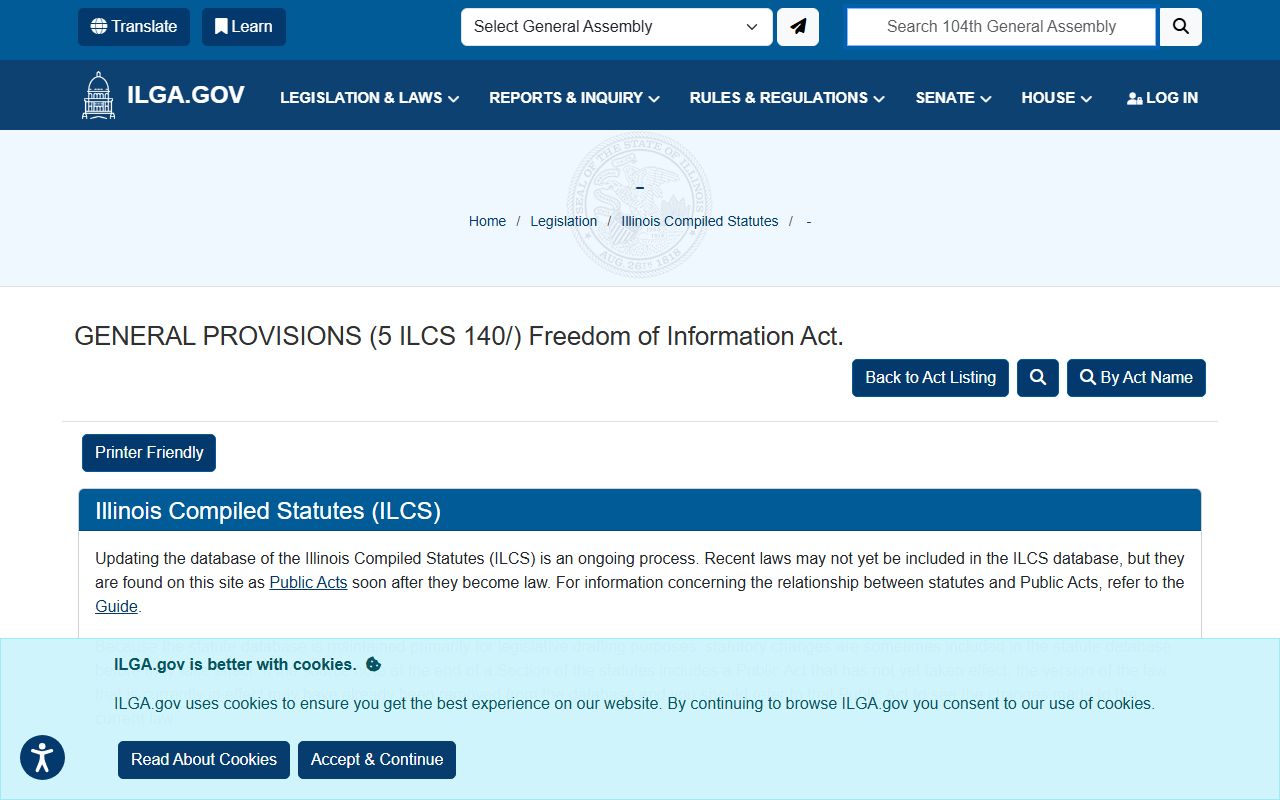
Under that law a public body generally responds within five business days, and the county FOIA directory says the first 50 pages of an allowable non-commercial request come at no cost.
Restricted Court Records After an Arrest in Mason County
Not every record after an arrest is open. Juvenile cases, sealed or expunged charges, and records tied to an ongoing investigation can be withheld or redacted. Illinois court policy also keeps some material, like arrest warrants before service, off public electronic access. Probation files are not public, and the county directs those questions to the clerk of the circuit court.
When a record is restricted, the answer is usually a formal request rather than an online search, and the agency may still deny it under an exemption. For court charges and dispositions use the clerk and Judici, and for arrest and booking detail use the sheriff under FOIA. Keeping those two doors straight is the fastest way to the record you need.